
Research
Quick Facts
external research funding (2022-24)
young investigator awards
research centers and institutes
tenured/tenure-track faculty
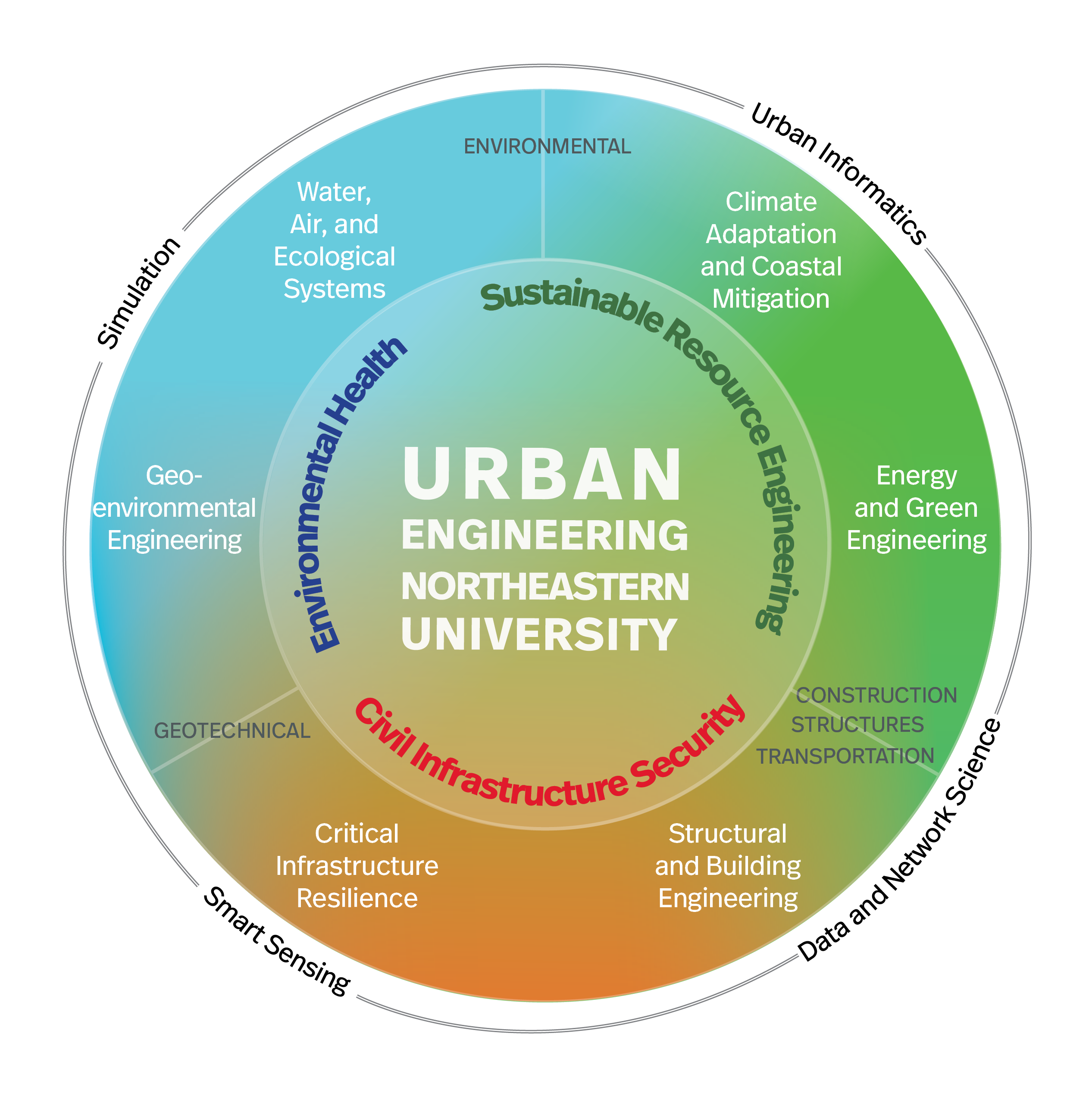
The Department of Civil and Environmental Engineering education and research missions are focused on Urban Engineering, anchored by several multi-disciplinary, multi-institutional centers and programs. Building on current strengths and expanding into new and vital areas, three overarching interdisciplinary research and education thrusts of the department include Environmental Health, Civil Infrastructure Security, and Sustainable Resource Engineering, with subthemes and disciplinary excellence in each of these areas. We have premier departmental strengths in four integrated enabling technologies that include Simulation (both computational and experimental), Smart Sensing, and Data and Network Science, and Urban Informatics.
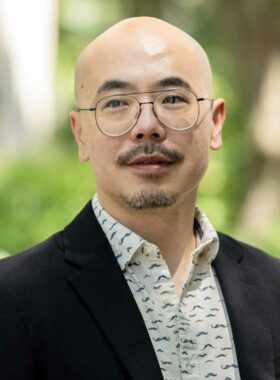
q.wang@northeastern.edu
Urban and social resilience; geo-social networking; coupled, human-natural systems, natural disaster response and evacuation; urban computing

ya.zhang@northeastern.edu
Air quality; atmospheric chemistry; cloud/aerosol microphysics; sensitivity and uncertainty analysis; multiscale atmospheric modeling and forecasting; climate and Earth system modeling; health impact assessment; eco-environmental sustainability; human-Earth system interactions
Recent News
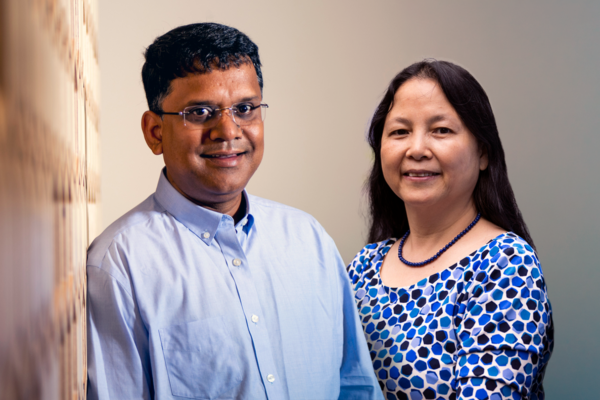
Two Northeastern Faculty Named 2027 AMS Fellows
The American Meteorological Society (AMS) announced its 2027 honorees across a variety of weather, climate, and water research areas, including the Class of 2027 AMS Fellows. This year, the Department of Civil and Environmental Engineering’s College of Engineering Distinguished Professors Auroop Ganguly and Yang Zhang were both inducted as AMS Fellows.

Advanced Coastal and Ocean Prediction Using Artificial Intelligence
CEE/MES Professor Qin Jim Chen, in collaboration with Stanford University and Texas A&M University, is leading a $1.1M NSF grant titled “Transforming Understanding and Prediction of Nearshore Processes via AI-Powered Simultaneous Mapping of Bathymetry, Waves, and Currents” to revolutionize the prediction of coastal environments using artificial intelligence.
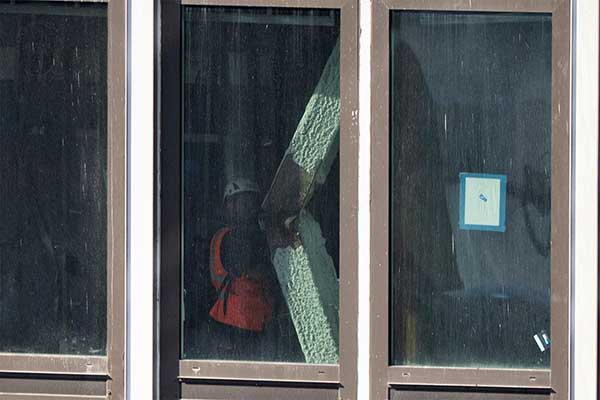
Structural Engineers Outline Complex Safety Steps Needed to Save Damaged Manhattan Skyscraper
CEE Interim Dean Jerome F. Hajjar and Professor Mehrdad Sasani are weighing in on the highly unusual buckling of a Midtown Manhattan skyscraper, explaining how complex building systems redistribute weight during localized structural failures. The faculty experts emphasize that extensive temporary shoring, load-redistribution analysis, and continuous sensor monitoring will be required by engineers to safely rehabilitate the structure.
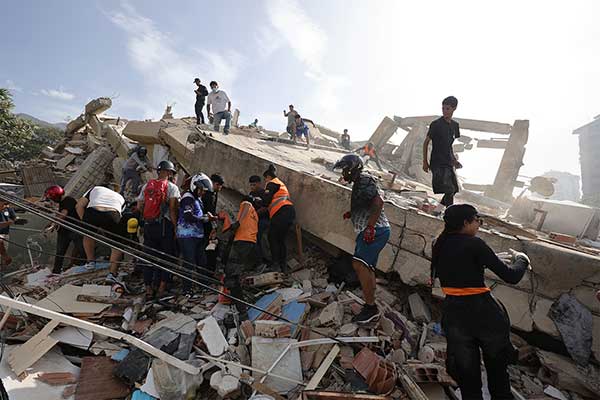
What Severe South American Quakes Teach Us About West Coast Disaster Readiness
Following a devastating doublet earthquake in Venezuela, Northeastern structural and resilience experts are urging California to bolster its preparedness for a future major rupture along the San Andreas Fault. Interim Dean Jerome Hajjar and CSSH/CEE Associate Professor Serena Alexander highlight that true mitigation requires addressing vulnerabilities across both interconnected physical infrastructure networks and local neighborhood emergency support systems.