COVID-19 Research in Civil and Environmental Engineering
The COVID-19 pandemic has transformed life globally. Most aspects of how we live and work, including global supply chains, transportation use, environmental impact, or communication methods, have been reshaped by this phenomenon. While ostensibly an issue of personal and public health, the pandemic’s impact on all facets of life necessitates a broadly interdisciplinary approach to combating the disease, mitigating its economic impacts, and building a more resilient world against future threats.
Responding to the Pandemic as Civil and Environmental Engineers
You may have heard that, once this crisis is over, the ways in which we live and work will be markedly different. Civil and environmental engineers play an integral role in building that new, resilient future.
Civil and environmental engineering is uniquely positioned to respond to the many-ordered effects of a pandemic virus. At Northeastern University, civil and environmental engineering education and research are focused on the interconnected topics of environmental health, civil infrastructure security, and sustainable resource engineering. These topics have an important role to play in our collective response to COVID-19. Transportation patterns have transformed as quarantines lengthen and the economy slows. Water, energy, and telecom needs have shifted, creating novel challenges for existing infrastructure. Important environmental factors to public health, including air and water quality, are seeing unprecedented changes. Future buildings may require new designs that facilitate social distancing.
Civil and environmental engineers are leaders in understanding and responding to this new threat. Below, you will see how our professors are joining the fight against COVID-19 through novel, timely, use-inspired research.
Healthcare and Pharmaceuticals
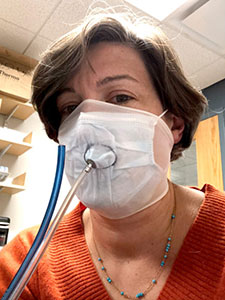 Loretta Fernandez in mask with nylon covering, Photo courtesy of Fernandez Loretta Fernandez, assistant professor of civil and environmental engineering and Amy Mueller, assistant professor of civil & environmental engineering and marine and environmental sciences
|
Mark Patterson, professor of marine and environmental sciences, and civil and environmental engineering; along with affiliated CEE faculty (Steve Flynn, Jennie Stephens, and Brian Helmuth, and others at the Global Resilience Institute)
|
Vaccines and Diagnostics
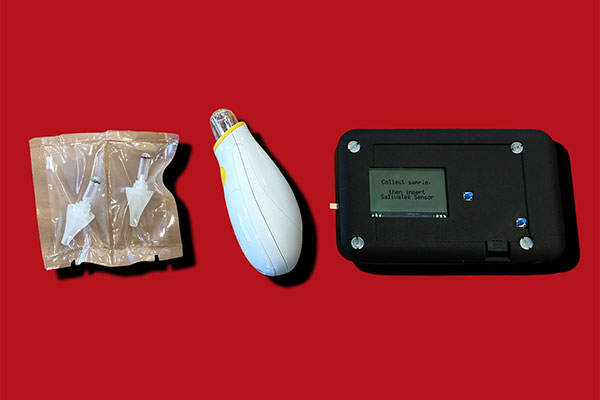 CEE Distinguished Professor Ming Wang is repurposing a device he created to monitor diabetes into something people could use to track the spread of COVID-19. Ming Wang, COE Distinguished Professor of Civil and Environmental Engineering, Director of VOTERS research center
|
Harnessing Data
 Auroop Ganguly Auroop Ganguly, professor of civil and environmental engineering
|
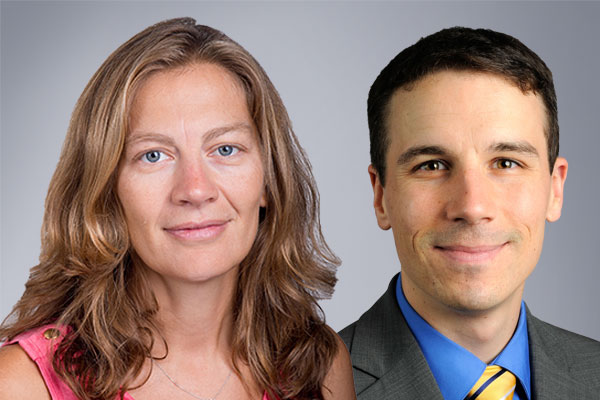 Ozlem Ergun and Michael Kane Michael Kane, assistant professor of civil and environmental engineering, and Ozlem Ergun, professor of mechanical and industrial engineering, along with Steven Vallas CSSH and Hilary Robinson (PI), School of Law
|
Haris Koutsopoulos, professor and associate chair for graduate studies, civil and environmental engineering
|
Kelsey Pieper, assistant professor of civil and environmental engineering
|
Human Machine Interface
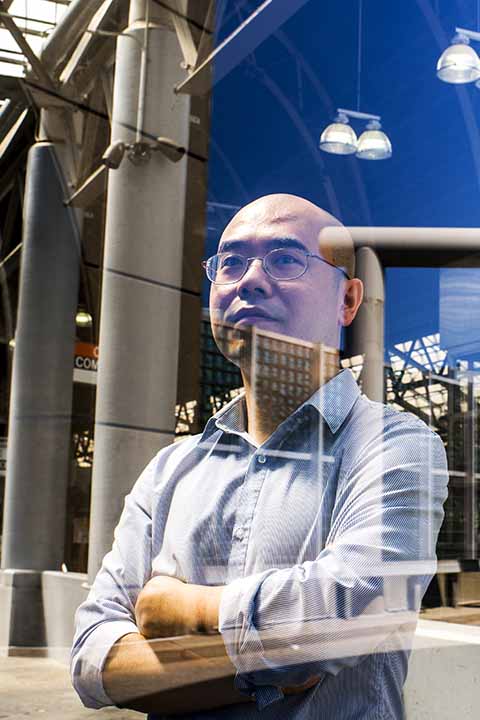 Ryan Wang Ryan Wang, assistant professor of civil and environmental engineering
|
Related News

Expect a Busy Thanksgiving Travel Week
CEE Assistant Professor Qi “Ryan” Wang has been studying mobility models to see how people move and predicts that travel during the Thanksgiving break will be that similar to pre-pandemic levels.

COVID-19: Students Making a Difference
Over the past year-plus College of Engineering students have come to the cause, transitioning research, co-op experiences, and community efforts to address challenges caused by the pandemic. Here are just […]